"The audacity to think maybe it'll work"
Fiona Cohen designs for one of the biggest companies in the world by day. Kingfisher happens at night, on weekends, and on the odd lunch break — including the one she spent talking to us, at a picnic table on the PepsiCo campus in Dallas, watching a bird pull a fish out of the pond.
That last part is true.
- Started
- Summer 2025
- Based
- Dallas, Texas
- Makes
- Polos, tees and caps, with outerwear, trousers, shorts and socks to come
- Team
- Fiona Cohen, around a full-time job at PepsiCo
- Site
- kingfisher-golf.com
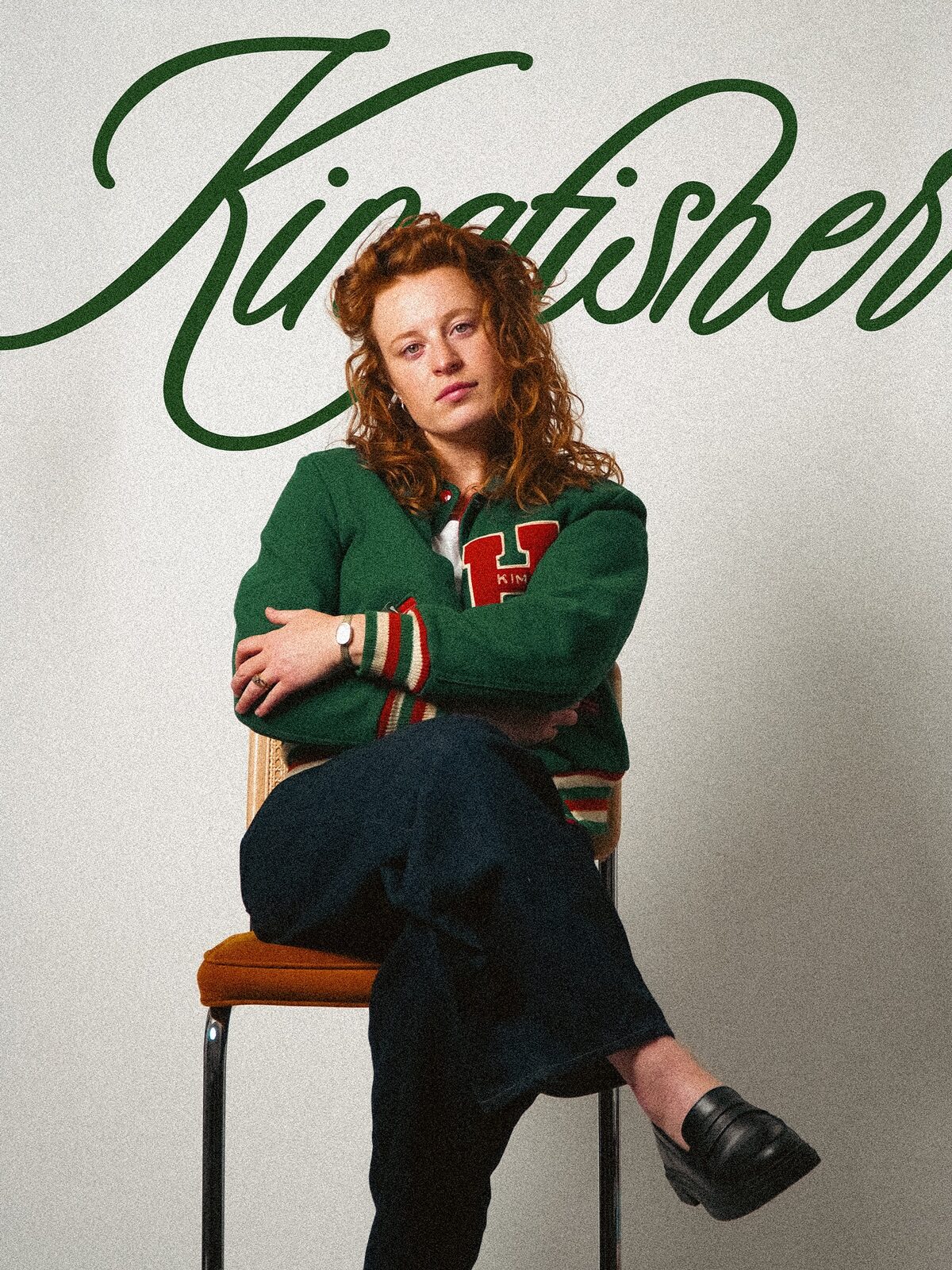
It started with her brother's shirt
Her brother walked in wearing a polo from the Houston Open. He is, by her account, a stylish guy. The shirt was not — a micro-pattern repeated across the whole thing, so pixelated it looked like clip art from an old version of Microsoft Word.
Fiona has spent her career in design and advertising. She has sold Ram trucks, Old Navy jeans, Nature's Own bread and, these days, Doritos. She knows what a print file is supposed to look like.
"If this huge brand is putting this out and selling this for a hundred and twenty dollars a shirt — I can do better."
The name was already waiting. Kingfisher is her favourite bird, parked in the back of her mind for whenever she got round to building something of her own. When she landed on golf it fit without having to be forced: a bird found all over the world in different colours, different shapes, oddly proportioned, the same thing everywhere and never quite the same. She describes it as a bit of alchemy — the name and the design problem arriving together, and no reason left to wait.
She is not, by her own account, good at hitting the brakes. "I'm pretty much all gas all the time." That was last summer. No hanging around.
The gap she is building into
The pitch is narrow and she can say it in one breath: between the boring horizontal-stripe performance polo and the four-hundred-dollar shirt most people can't afford, there is nothing with any design in it.
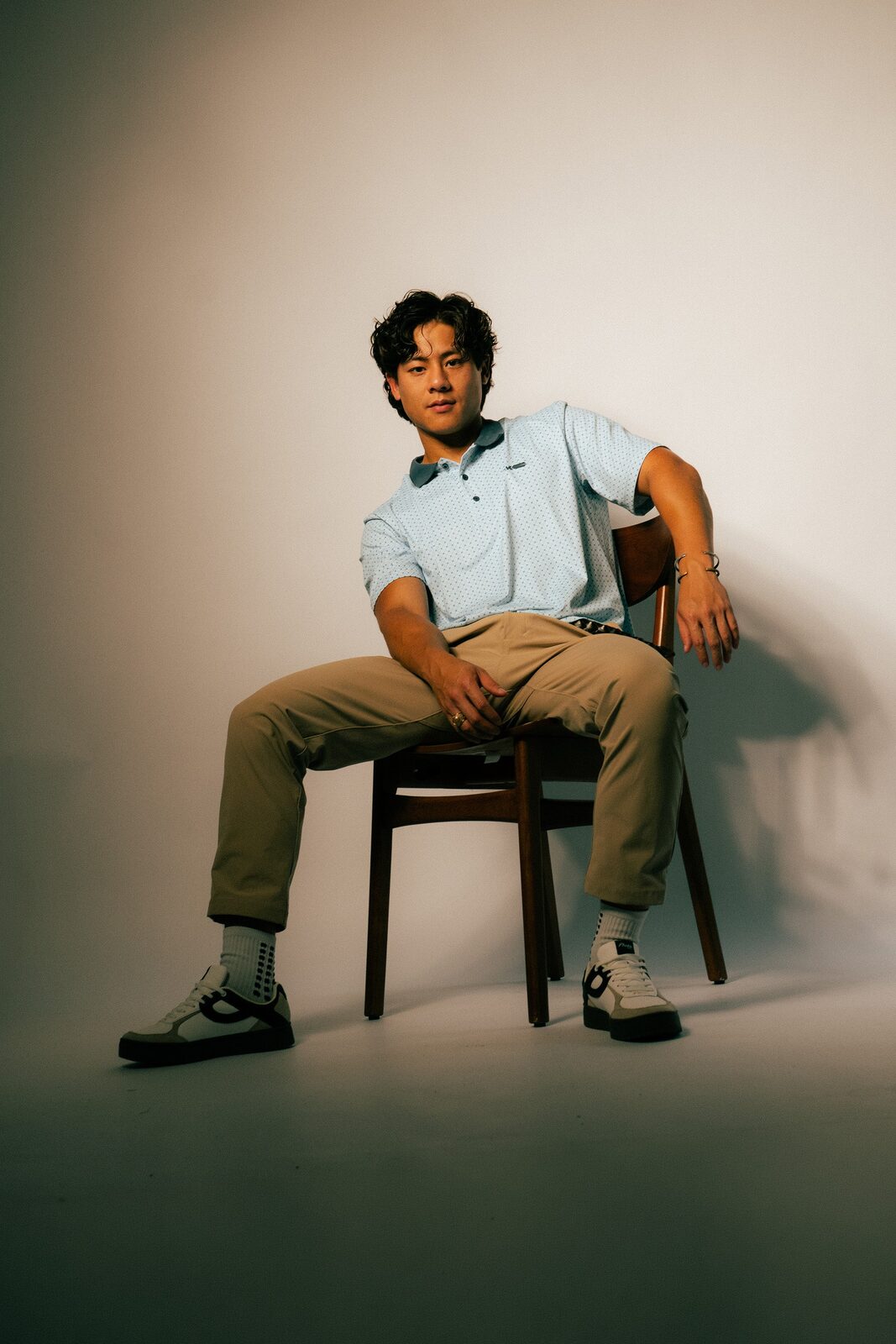
She found that gap at work rather than on a golf course. In Texas, nobody walks across a car park in a cotton Oxford shirt in August. So the office uniform is a performance polo, which means most men in corporate America are wearing golf clothes five days a week, whether they play or not.
"There wasn't really something that looked polished. I felt like that was a really cool design opportunity."
It also means her customer sits about thirty feet away. There are people in her office who see basically everything she designs before anyone else does — avid golfers, in the target demographic, available for a gut check at any point in the working day.
No money, no recognition, so find the worst golfer in Dallas
Launching a brand nobody has heard of is a marketing problem, and marketing is her trade. At Pepsi the move would be obvious: find an influencer people already trust and put them in front of the brand.
"I was like, well, I can't do that with Kingfisher because I have no money. I have nothing to offer anybody. I have no brand recognition. I barely have product. What do I have to offer? Nothing."
She was sitting in Dallas, which is Scottie Scheffler's town.
I'm not exactly going to go get Scottie Scheffler. I can't afford the best golfer here — so I might as well partner with the worst.Fiona Cohen, Founder, Kingfisher Golf
So Kingfisher went looking for the worst golfer in Dallas, and the city obliged. Wives nominated their husbands. Groups ganged up on their mates. It ran with a billboard and with The Ticket, the local sports radio station, which Fiona picked precisely because nobody there takes themselves seriously either.
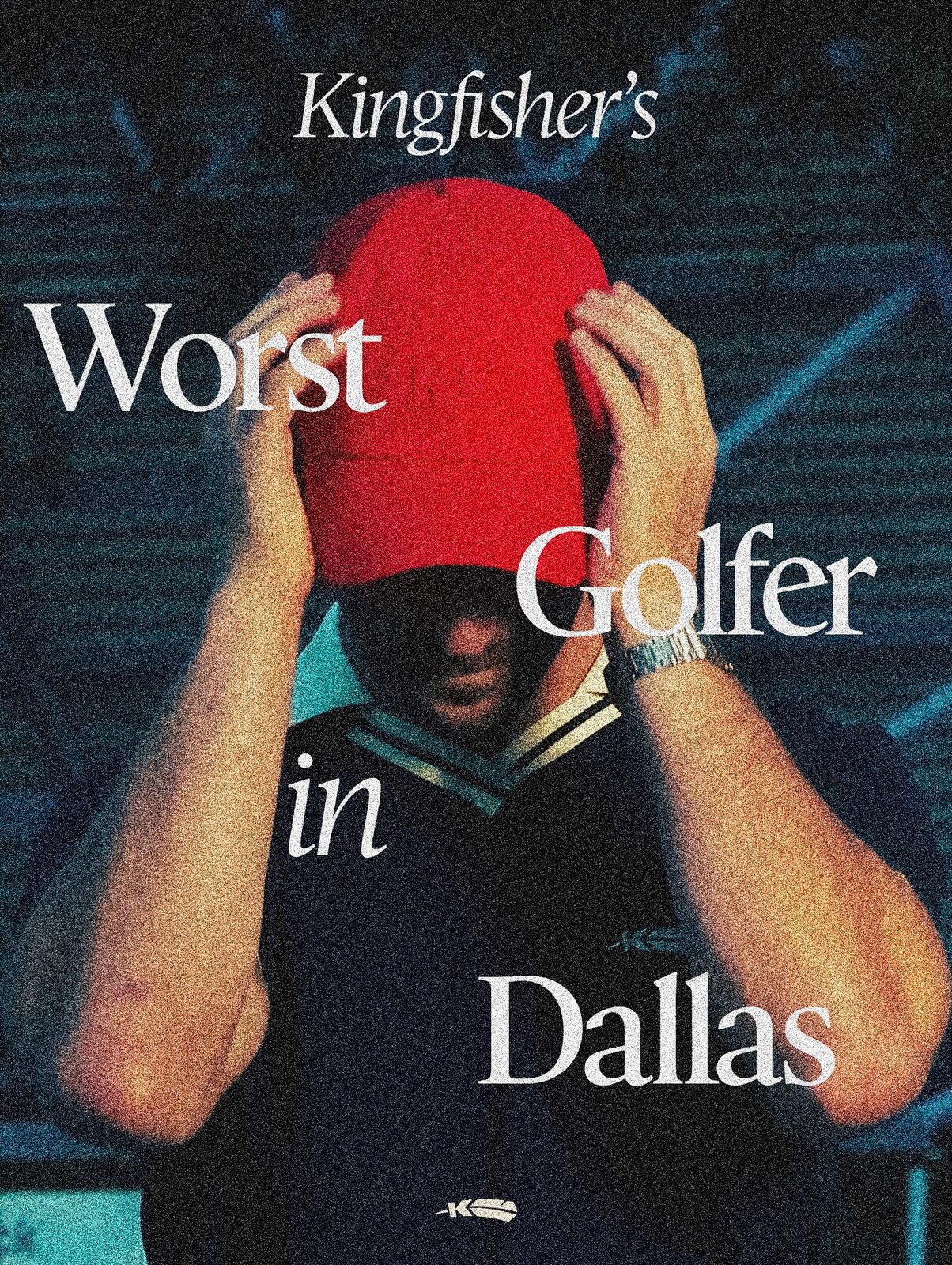
Underneath the joke is the thing she actually believes about advertising: every campaign that works starts from a human truth, and the human truth of golf is that it humbles everybody.
"On any given day, even the best golfer in the world has felt like the worst. You've had a day where you just feel like, what am I even doing out here? It's the most humbling experience, and yet we all go back for more. It's so twisted."
It worked. "I saw your billboard" and "I heard you on The Ticket" became the brand's introduction to the city, which is exactly what it was for. Colin Perry, the winner, became Kingfisher's first sponsored golfer.
What sells, what doesn't
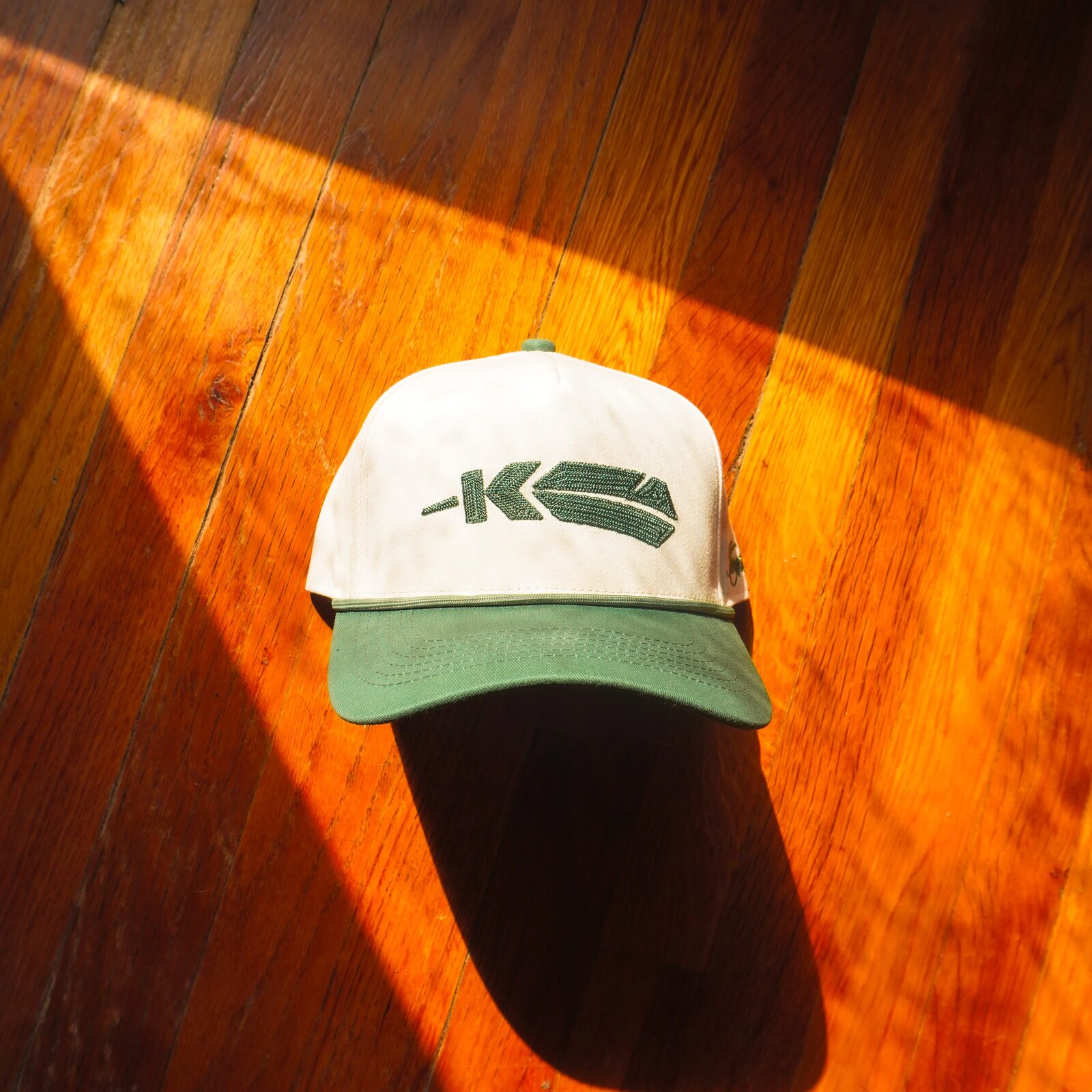
The first real hit was the logo cap, and it mattered to her for two reasons. One was straightforwardly a designer's pleasure — people wanted to wear the mark. The other was the bet underneath it.
"Anybody can throw on a Callaway hat or a Titleist hat. The fact that people were willing to incorporate our tiny, tiny brand's logo into their wardrobe felt really surprising and gratifying."
That bet is the whole business in miniature, and she knows it.
"It's still this big piece of guesswork. Is it going to hit or not?"
Early on, guessing wrong is fatal, because the money isn't there to absorb it.
"It's so tough to cash flow it at the beginning. If your first thing doesn't hit — how do you keep going?"
She got lucky with the cap and built from there. She has also been wrong, and she's specific about the pattern. The worst money she has spent went on products she made because she thought other people would like them, rather than because she knew they were good.
"The times when I've tried to anticipate other people's tastes have not gone as well as when I just trust my own."
And one she still can't explain: dad caps. Easy, everyday, the thing she wears herself. They don't move.
The best money, by contrast, goes on things people remember — the worst golfer campaign, boxes of tees, cooling towels packed in a beer can. Objects that end up in somebody's hand and stay in their head.
Partners, and the bit nobody tells you
Kingfisher is made overseas, and Fiona is unusually relaxed about saying so; she'd share the link if it helped anyone, and she'd like her manufacturers to get more business out of it.
"I'm not necessarily pro-gatekeeping that kind of stuff."
What she is grateful for is being taken seriously at her size — getting the same quality of work as a client ordering five hundred times the volume, from people who have been patient with everything she didn't know. That contrast is the lesson she keeps coming back to, the difference a good partner makes against a bad one. Her shorthand for it comes from Will Guidara's Unreasonable Hospitality: hire slow, fire fast.
"When you know something's not right, don't sit."
Two jobs is its own problem. She has always been the all-nighter type, and the thing she's learned this year is that it doesn't survive contact with a forty-hour week plus a brand. So: sleep, and the occasional evening where watching football is the only thing happening.
What keeps her at it is a line she has clearly said before and clearly means.
"I have the tenacity to not give up and the audacity to think maybe it'll work. Those two things have really collided."
What's coming
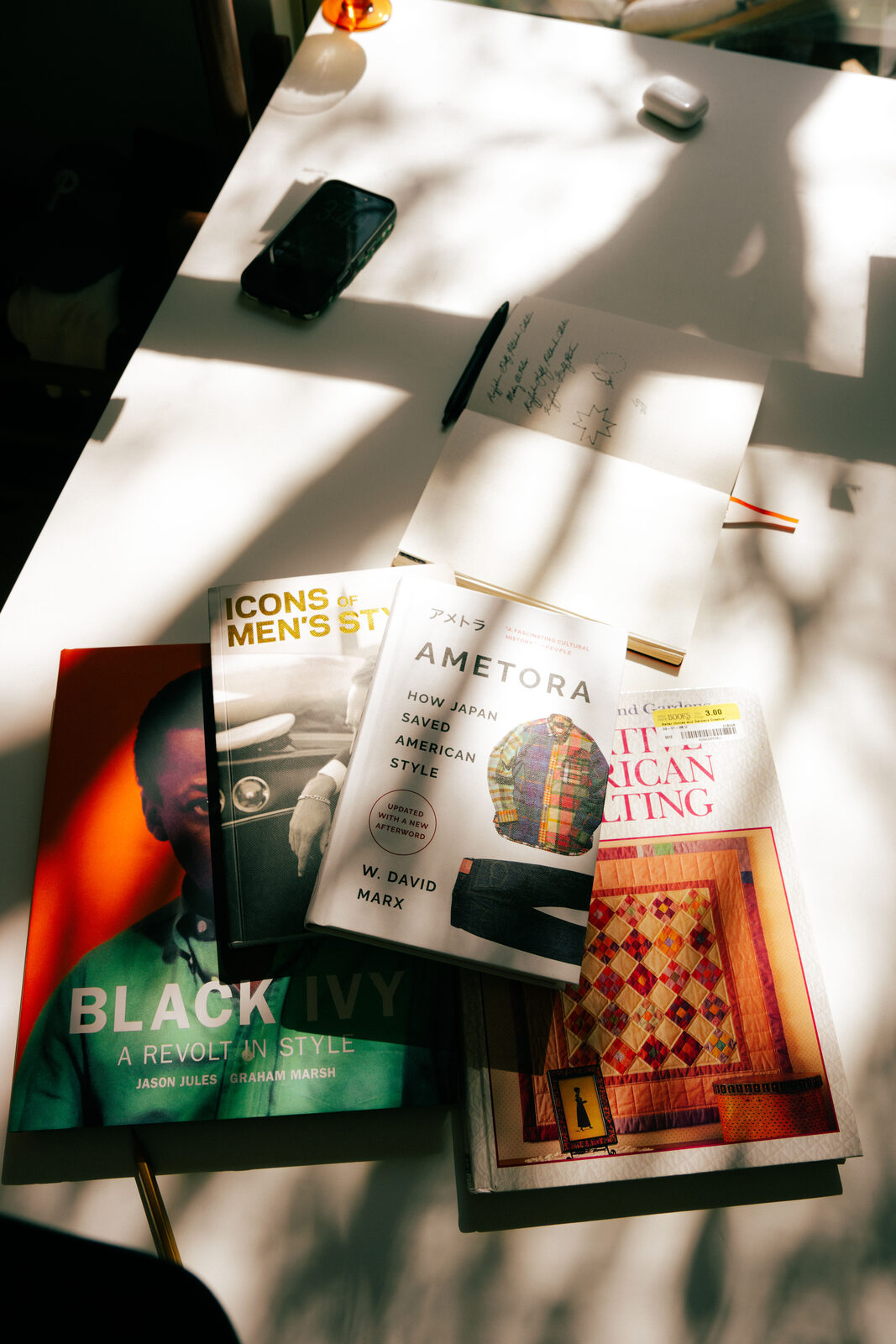
The next collection is her first full one, built on the patterns of American quilts — nostalgic up close, graphic from a distance, and strange enough to be interesting when they're printed onto a performance shirt. Six patterns arrived in a day and a night. Everything after that, she says, is the hard part.
There's a push into natural fibres, driven by people asking for it on social, and the puzzle of making something that breathes in Texas heat and still feels good on. A launch film shoots in November. There are Dallas collaborations she thinks will travel further than Dallas.
A year and a bit ago, Kingfisher was a name she liked and a feeling inside her that she could do it better.
Since then: a logo people choose to wear over the ones everybody knows, a billboard, a sponsored golfer who is officially the worst in Dallas, and a first full collection coming. All of it made in the hours after a full working day, by someone who had to get back to her desk when we finished talking. This is the whole point of The Halfway Hoose.
Ask her what she'd say to anyone sitting on an idea and not starting it, and she doesn't hesitate.
"Everyone else in the world is going to have the opportunity to tell you no. You shouldn't be the first person to tell that to yourself."
Drawn from a conversation with Fiona Cohen in October 2026. Quotes edited for length and clarity.
No payment was made or received for this interview.